
Alaïa Could Be the Next Chapter for Nicolas Di Felice after Courrèges

Images via @nicolas.difelice, Getty and Gorunway
Nicolas Di Felice is leaving Courrèges at a high point in his tenure. As speculation around Alaïa grows, attention is already turning to his next move.
The departure of Nicolas Di Felice from Courrèges marks more than the end of a creative chapter. It reflects a broader shift within the luxury fashion industry, where even successful tenures are increasingly brief and shaped by constant reinvention. After nearly five years at the helm of the Parisian house, the Belgian designer announced he would step down following his Fall Winter 2026 presentation, framing the decision as a desire to focus on personal projects. His exit comes at a moment of heightened movement across the sector, with multiple fashion houses undergoing rapid creative transitions.
Di Felice’s tenure stands out precisely because it was widely considered a success. When he joined Courrèges in 2020, the brand was in search of renewed cultural relevance. Originally founded in 1961 by André Courrèges, the house was known for its futuristic, space age aesthetic, defined by vinyl textures, geometric lines, and a radical vision of modern dressing. Rather than treating that heritage as something static, Di Felice approached it as a living framework, reinstating the iconic AC logo, reviving signature silhouettes, and translating them into a contemporary language.
His collections consistently balanced past and present. The clarity and optimism of Courrèges’ original vision remained intact, but were sharpened through a more immediate and sensual approach, shaped by influences from nightlife and youth culture. Cutouts, second skin silhouettes, and a strong casting direction helped position the brand within a younger, more dynamic cultural space. At the same time, he built a recognizable product vocabulary, from vinyl outerwear to streamlined knits, that reinforced both the image and the commercial strength of the house.
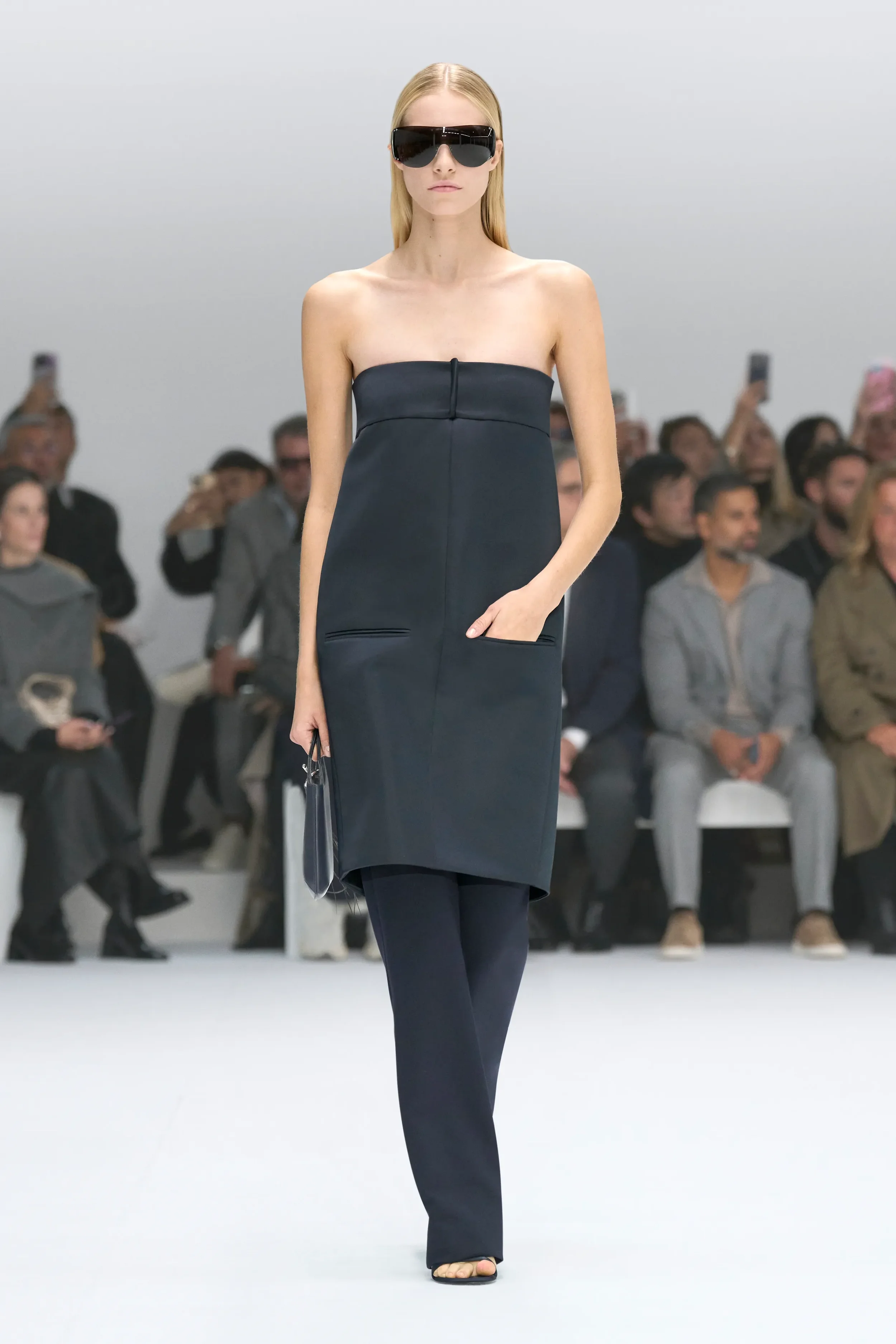
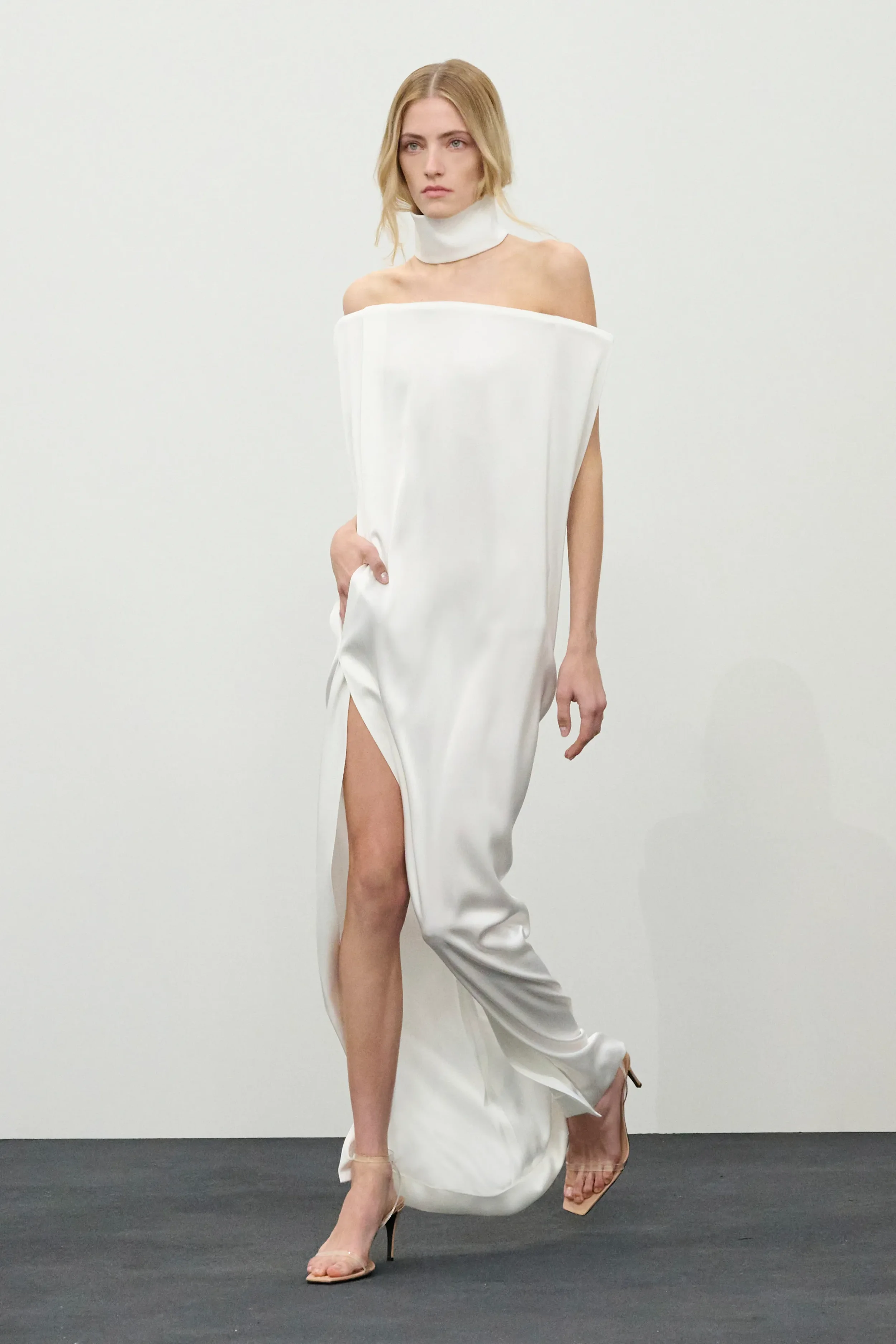
This ability to merge heritage with relevance defined his impact. Courrèges under Di Felice did not simply revisit its past, it reentered the cultural conversation with precision and clarity. His final collection, presented during Paris Fashion Week, reflected that same coherence, conceived as a study of everyday life while maintaining a distinct visual identity. It felt like a considered closing statement rather than an abrupt departure.
His exit has quickly fueled speculation across the industry, with growing rumors linking him to a potential move to Alaïa. The possibility feels less incidental than strategic. Like Courrèges, Alaïa is a house built on a strong and recognizable design language, defined by precision, structure, and a close relationship to the body. It is also a brand where continuity of vision matters, making it a natural environment for a designer who has demonstrated a clear ability to evolve heritage without diluting it. While no official confirmation has been made, the alignment between Di Felice’s sensibility and Alaïa’s identity has made the speculation particularly persistent.
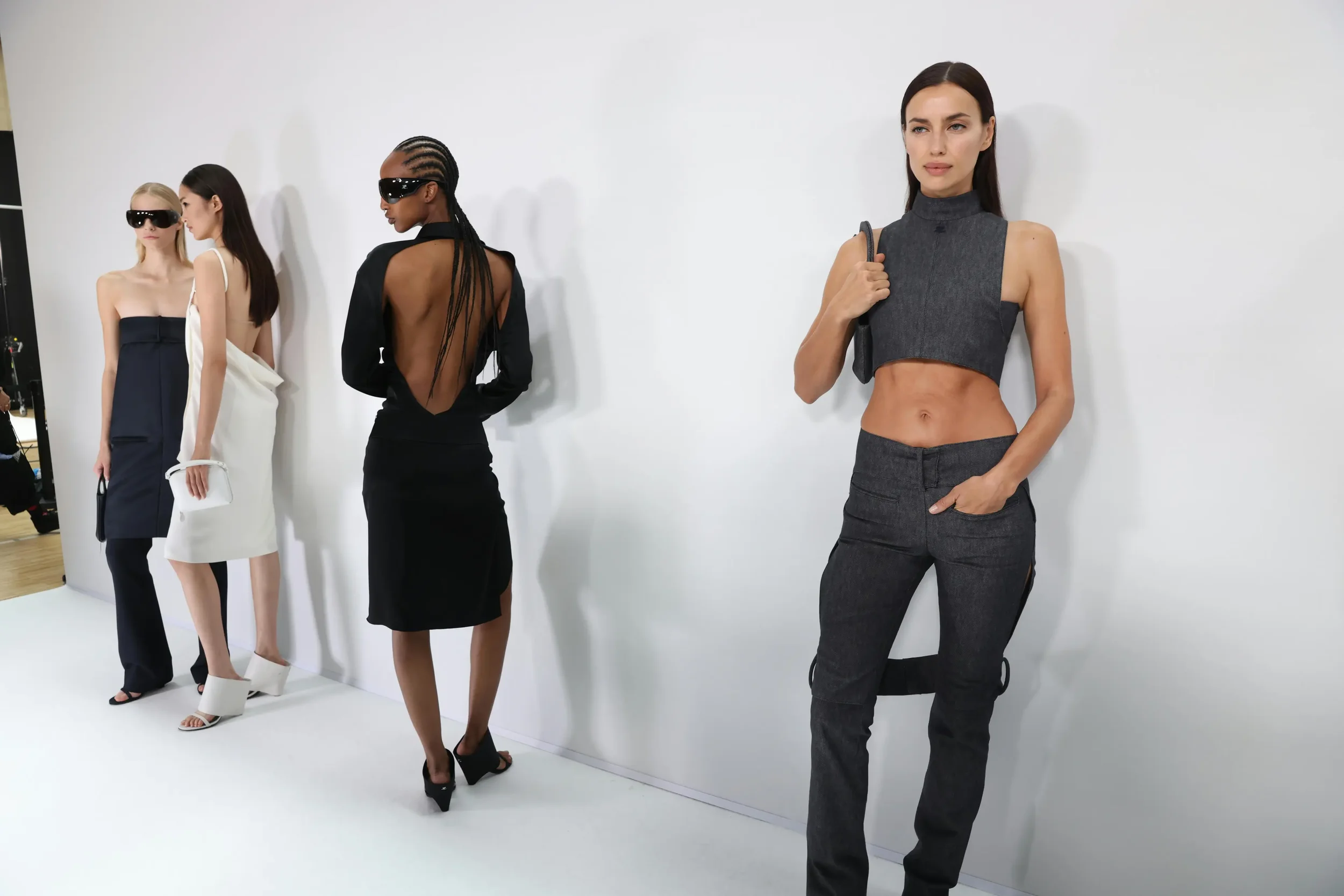
The question now turns to what comes next for Courrèges. The house is expected to name a successor shortly, but the challenge ahead is different from the one Di Felice inherited. The brand is no longer in need of rediscovery, but of consolidation, operating in a slower and more competitive luxury market. Maintaining the balance he established between clarity, desirability, and cultural relevance will be key.
More broadly, this moment reflects a structural reality within fashion today. Creative directors are increasingly positioned as catalysts rather than long term custodians, tasked with accelerating transformation and generating relevance within compressed timeframes. Even widely praised tenures are becoming shorter, shaped by both personal ambition and the evolving demands of the industry.
In that context, Di Felice’s legacy at Courrèges feels particularly significant. He leaves behind a rare example of a revival that was both coherent and contemporary, grounded in heritage yet forward looking. If the next step does lead to Alaïa, it would not mark a rupture, but a continuation, extending a design language built on precision, clarity, and a deep understanding of how fashion moves between past and present.