
Inside Dario Vitale’s Departure From Versace
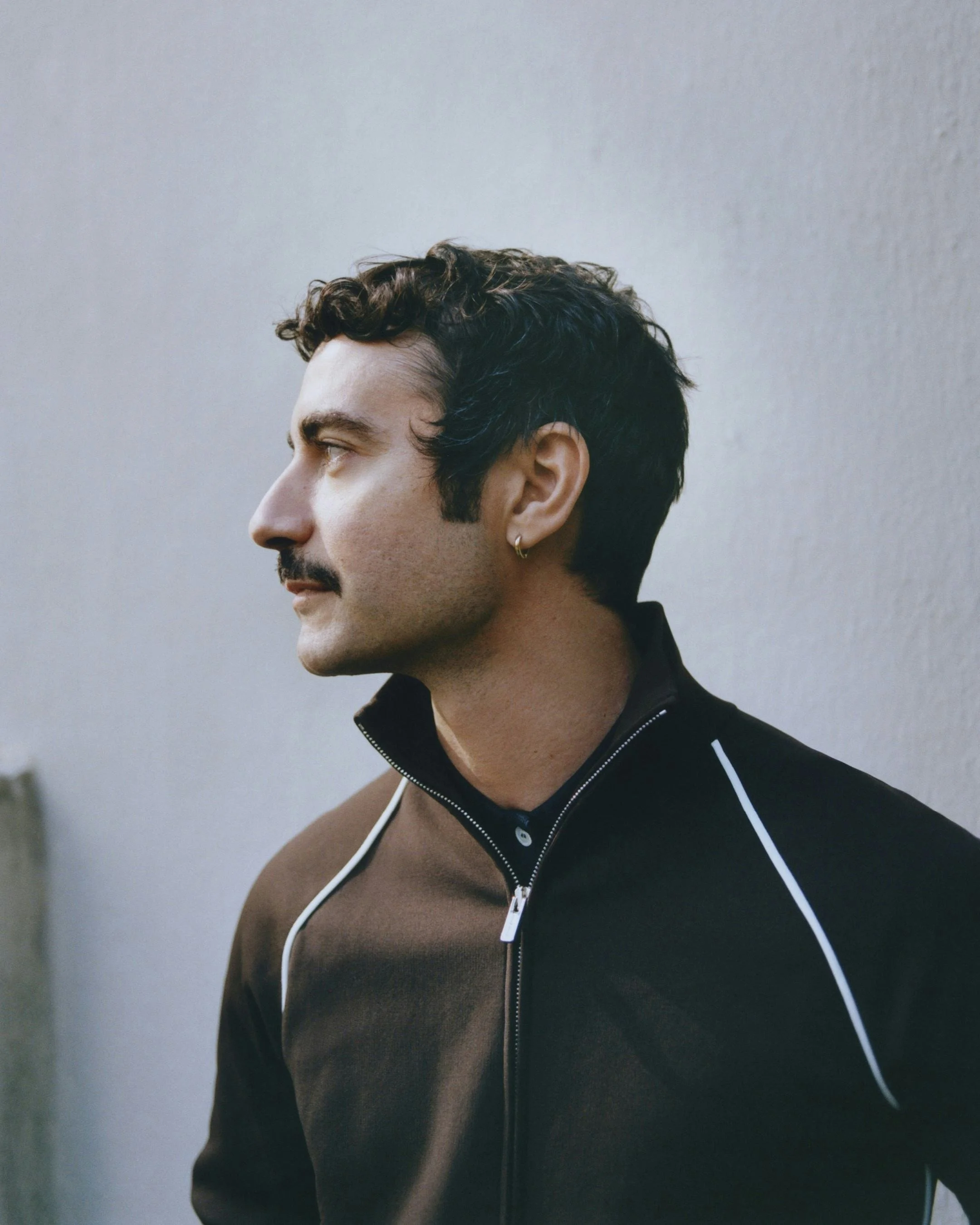
Image via Versace
Word by Juan Eckersley
Versace’s new creative era ended almost as quickly as it began with Dario Vitale’s sudden exit. His short lived chapter highlights the shifting priorities of a storied house under new ownership.
When Dario Vitale arrived at Versace earlier this year, the fashion world held its breath in anticipation. His appointment marked a symbolic shift in the house’s history. He became the first non family creative director to step into a role long shaped by Donatella Versace. The transition suggested a new chapter for the brand, one guided by a designer who prized refinement, clarity, and a quieter expression of sensuality. After years of speculation about what Versace should become, his debut felt like the start of something fresh, an attempt to honor the legacy while speaking directly to a modern, more discerning audience.
From the moment the first look stepped onto the Milan runway, there was a sense of intention. Vitale reached into the Versace archives with a sensitive hand, bringing back familiar signatures like sculpted tailoring and saturated color, but softening them through a more pared back, luxury focused lens. The result felt both nostalgic and new. Critics noted how he reduced the theatrics without diluting the house’s unmistakable attitude. It created a more intimate mood than many expected from a brand known for its bold glamour, and the show quickly became one of the most talked about debuts of the season.
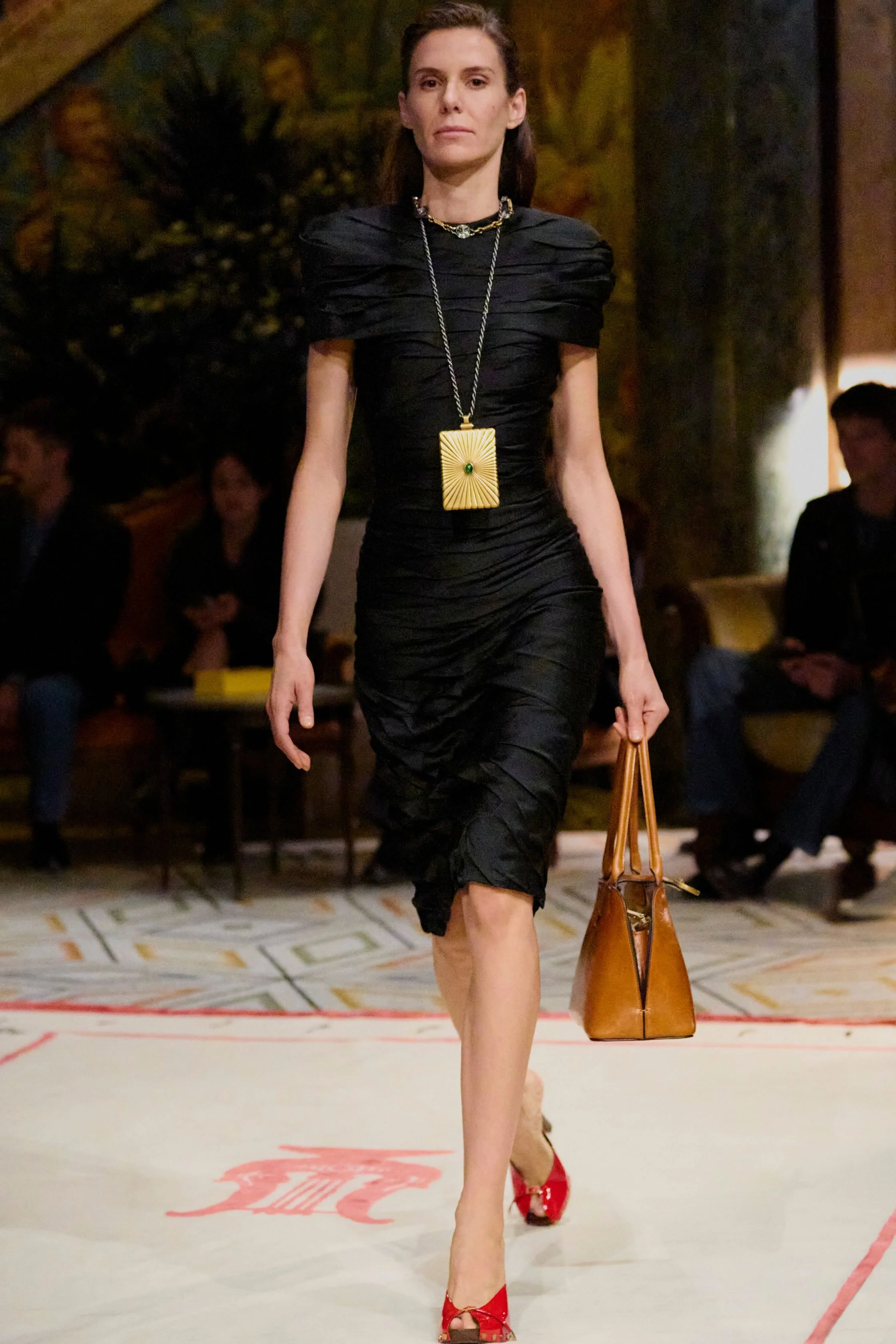
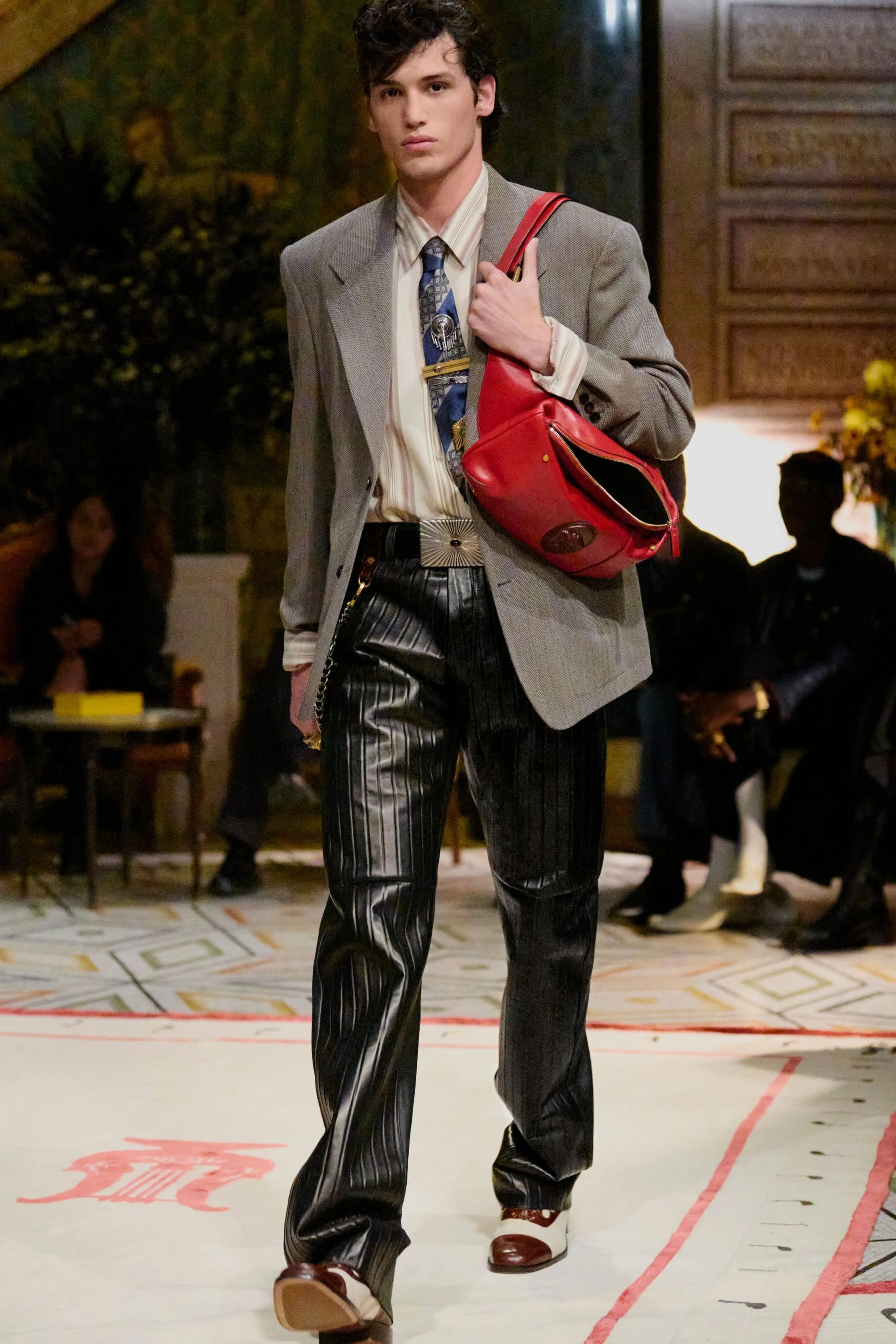
While the collection resonated, a more complex story was unfolding behind the scenes. Versace had been experiencing financial challenges, including a reported decline in revenue under its previous ownership. These pressures contributed to its sale, and the house soon entered a major shift when the Prada Group acquired it in a deal valued at roughly €1.25 billion. Vitale had been hired before the acquisition and stepped into the role during a moment when the company’s identity, structure, and long term strategy were being reorganized from the top down. His appointment began to look like the final decision of an era that was already coming to a close.
His collection hinted at a repositioning of Versace within the luxury sphere. Buyers noted higher price points, more precision in fabrication, and a tone that felt aligned with the desires of a more exclusive clientele. Some interpreted this as a deliberate effort to move Versace further into the high end bracket. But as the new ownership settled in, it became clear that the Prada Group intended to steer the brand in its own direction, one that might not align with the path Vitale had begun.
That clarity arrived swiftly. In early December, Versace announced that Vitale would depart after only one collection. The news carried a sense of abrupt finality that surprised the industry. Many saw his debut as promising and full of potential, and the idea that it would remain his only contribution created a feeling of suspended momentum. Versace expressed gratitude for his work and shared that a new creative direction would be revealed in time, which only deepened the curiosity about how the Prada Group plans to shape the house’s future.
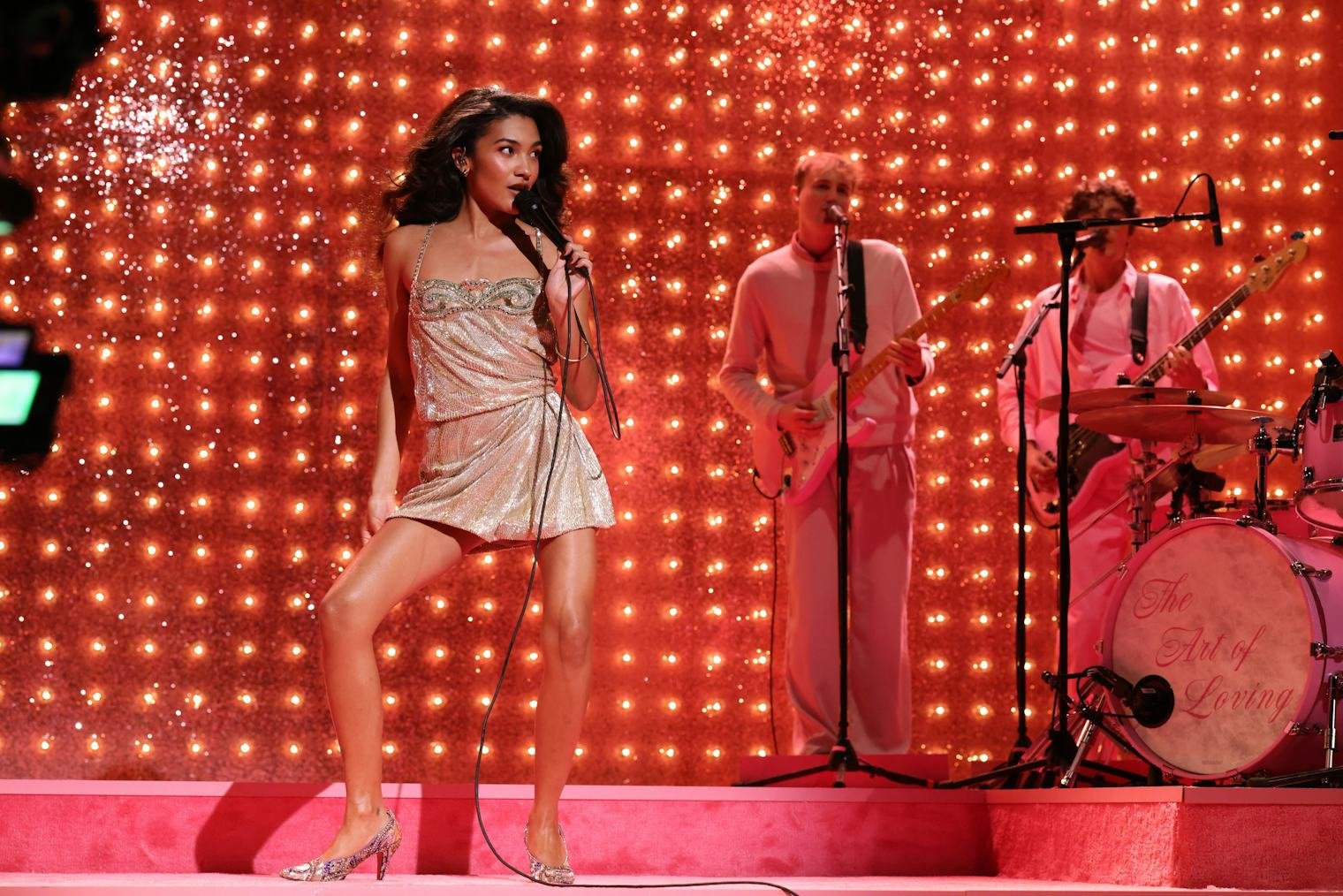
Olivia Dean in Versace on Saturday Night Live.
Image via Getty Images
Vitale’s exit underscores the fragile nature of creative roles within large luxury conglomerates. Designers enter with visions shaped by artistry, yet their tenure depends on corporate strategies that shift faster than creative ideas can fully unfold. A single leadership change can redirect the course of an entire brand long before a designer has the chance to build a distinct vocabulary or establish a new rhythm.
Versace now finds itself at a crossroads. Its heritage, its audience, and its corporate ambitions are all in negotiation. Some believe the house will return to a more expressive, theatrical identity. Others hope the next director will carry forward the more nuanced and contemporary language Vitale introduced. What is certain is that this transitional moment will influence how the brand imagines itself for years to come.
For Vitale, the chapter was short but meaningful. His vision, even in its brevity, demonstrated how a subtle shift in tone can feel both daring and sincere. There is a possibility that his single collection will be remembered not only as the end of one story but also as a quiet signal of the possibilities that remain ahead.