
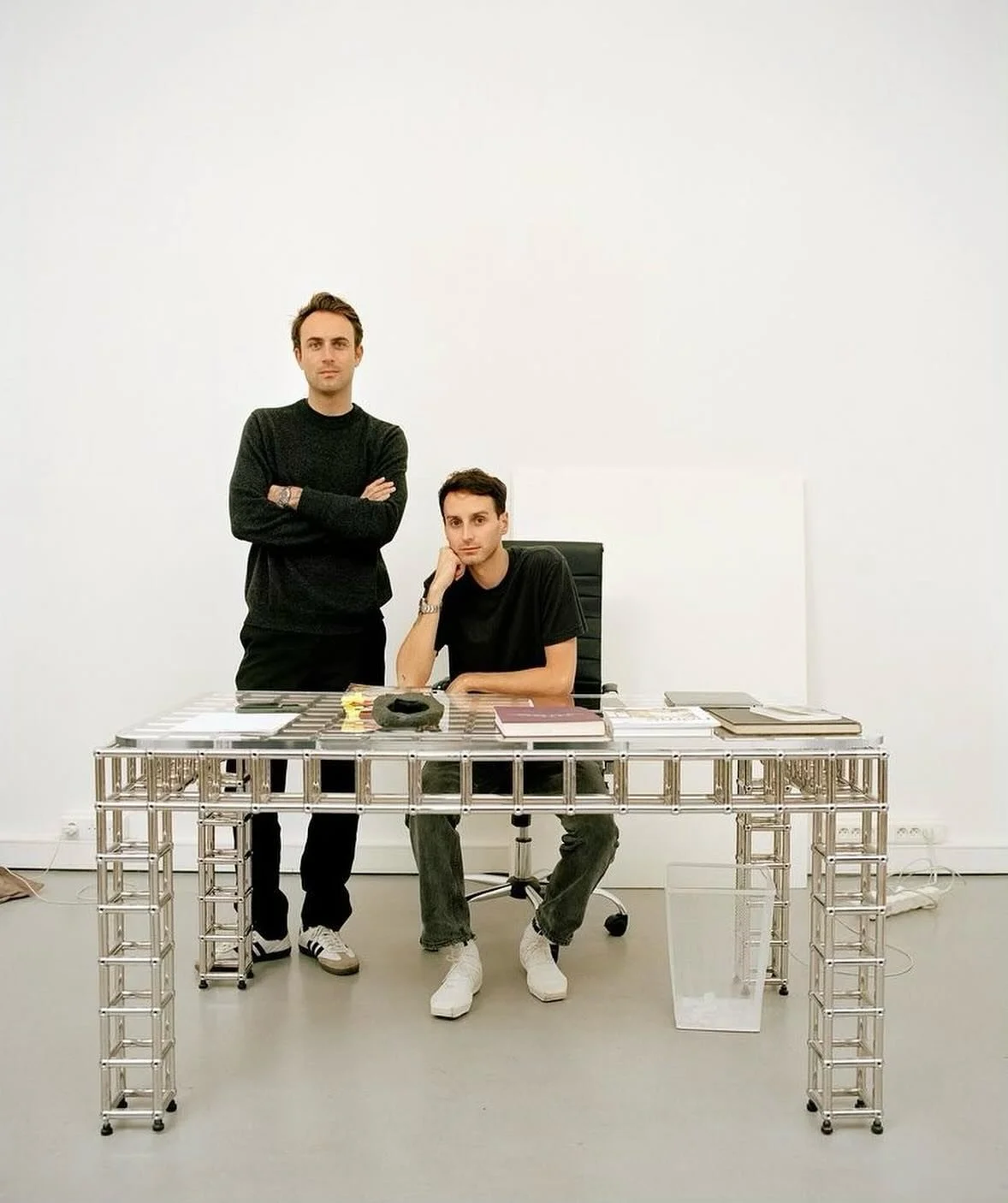
Images via Coperni, @arnaud_vaillant
Coperni is closing after giving fashion some unforgettable moments. We look back at how two fashion students made it happen.
Before there was a dress sprayed onto Bella Hadid or a runway in front of Sleeping Beauty’s Castle, there were two students meeting at fashion school in Paris. Sébastien Meyer studied design and pattern making. Arnaud Vaillant studied the business side of fashion. They met at Mod’Art International in 2009, beginning a partnership that would become both personal and professional. Looking back, that combination helps explain so much of Coperni: the desire to dream something up, paired with the ambition to make it happen. On November 4, the pair announced that Coperni SAS was ceasing operations after months of trying to resolve a dispute with their shareholder and distributor, Tomorrow. It is a sad ending to a chapter that began with two people building something of their own.
They launched their label in 2013, initially calling it Coperni Femme. Even the name offered a clue about where their interests lay, referencing astronomer Nicolaus Copernicus. Curiosity was there from the beginning. Recognition came quickly, with an ANDAM prize in 2014, followed by a place among the LVMH Prize finalists in 2015. Then came an opportunity big enough to put their own project on hold: the artistic directorship of Courrèges. For two young designers interested in the relationship between fashion and the future, the house’s Space Age history made it a fitting next step. They spent two years there before returning to the question of what Coperni could become.
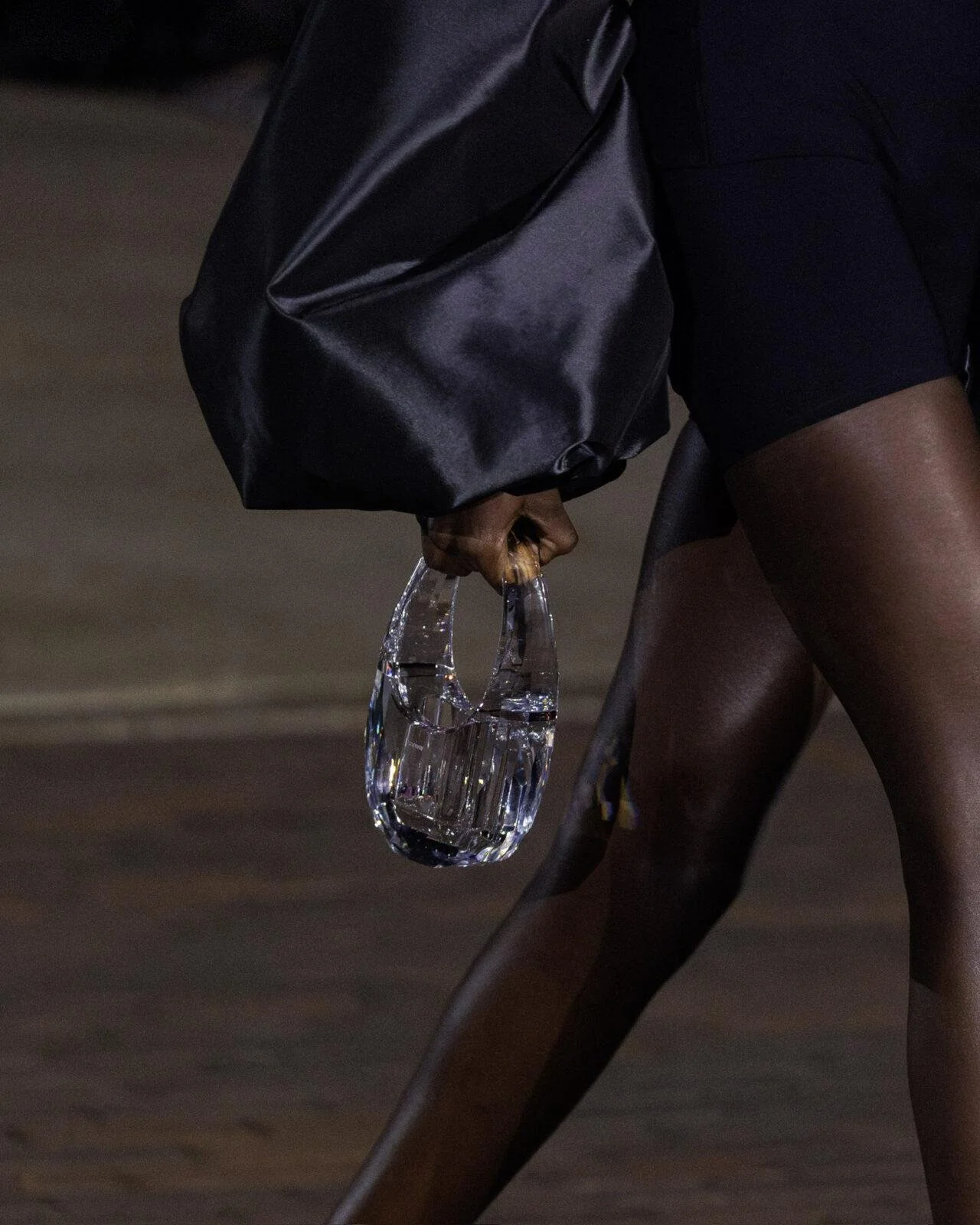
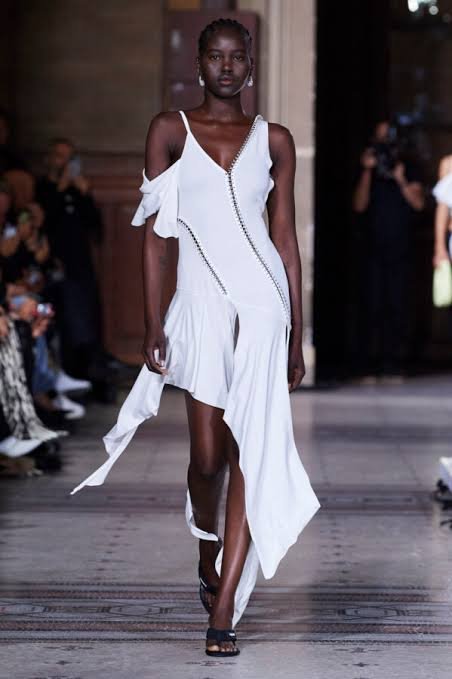
Coperni’s revival in 2018 gave them another chance to answer that question. With support from Tomorrow, which helped with distribution, sales and infrastructure, they began building a brand that brought their experiments closer to everyday life. The Swipe bag arrived in 2019. Inspired by the iPhone’s swipe to unlock function, its curved shape translated a familiar digital gesture into something you could carry. It was chic, slightly odd and easy to recognise from across a room. For us, it remains one of their clearest ideas: a bag that felt connected to contemporary life without looking like a piece of technology. It also gave the designers a shape they could keep playing with, taking it into increasingly unexpected materials.
Then, in September 2022, came the moment that took Coperni far beyond the usual fashion audience. At the end of its Spring 2023 show, Bella Hadid stood while a team applied Fabrican’s liquid fabric directly onto her body, gradually creating a white dress. Watching it take shape was strangely absorbing. A runway finale became a process you could follow, second by second, until something wearable appeared. You did not need to know the designers’ names or understand the collection to want to see how it ended. That was part of their gift. They could take a technical idea and turn it into a moment people felt compelled to watch together.
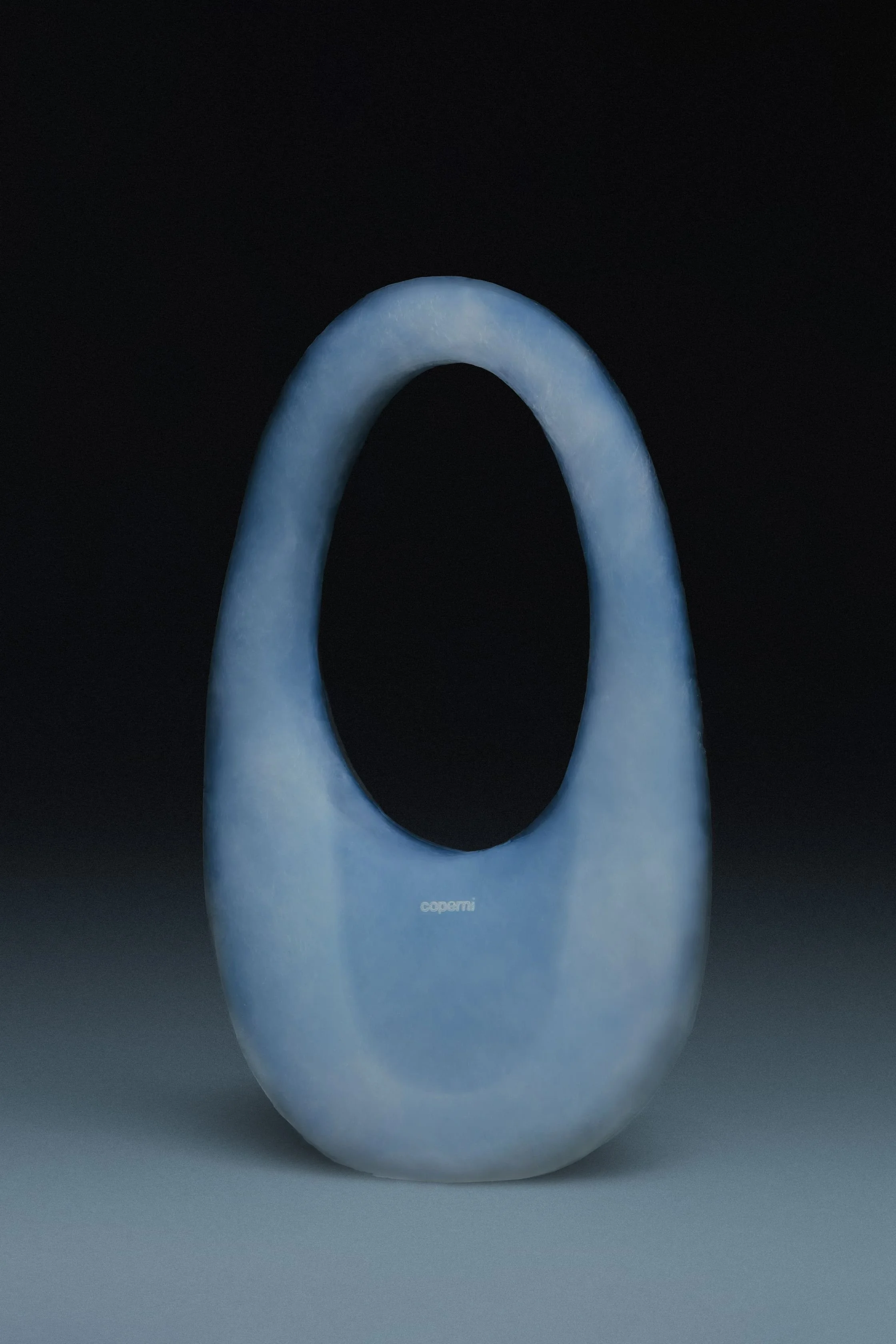
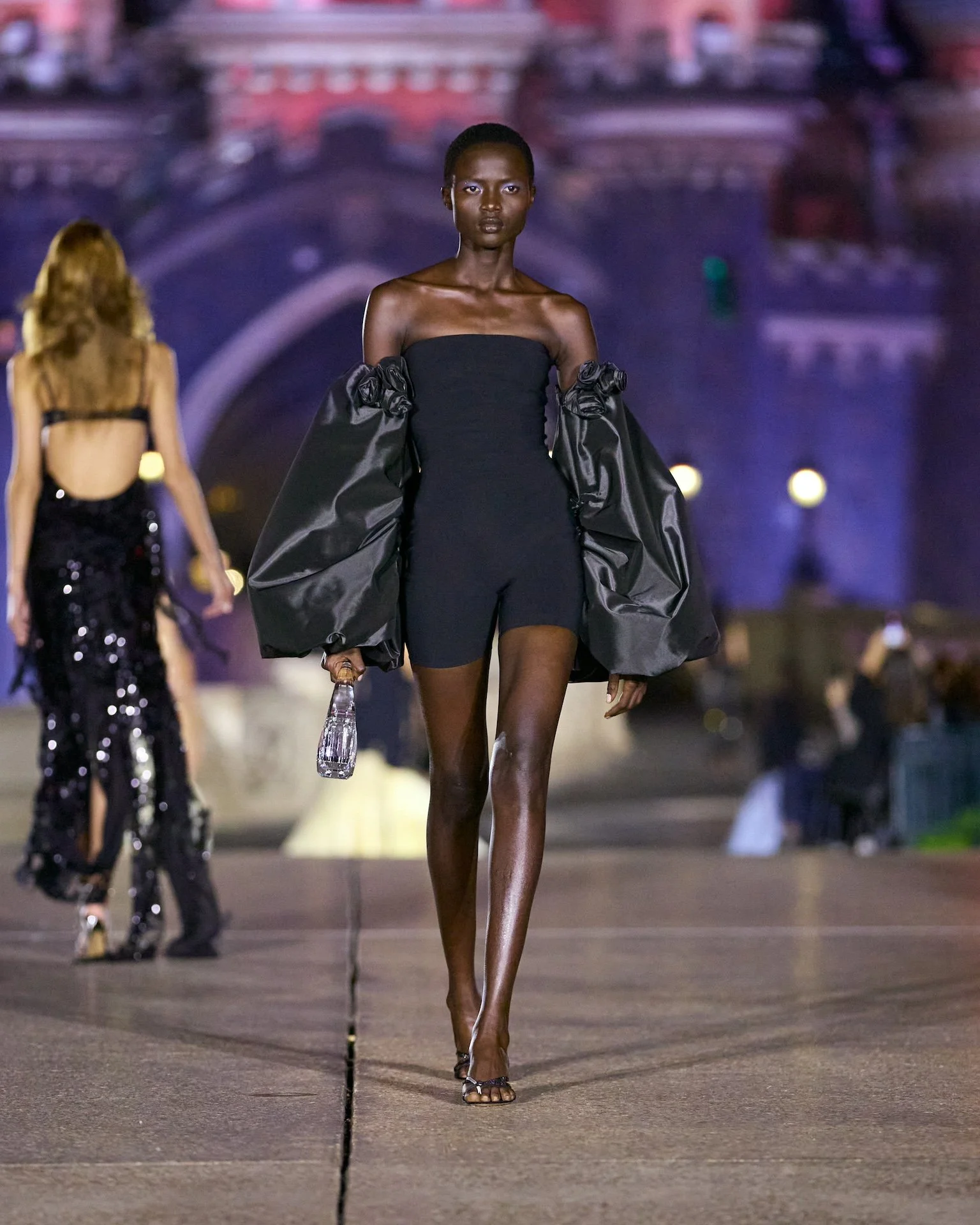
The possibilities kept getting bigger. In 2024, they unveiled the Air Swipe, made from silica aerogel, a material that is 99 per cent air by volume and has been used by NASA to capture cosmic dust. Later that year, they brought the Spring 2025 show to Disneyland Paris, sending models out in front of the illuminated castle. From a fashion school partnership to that setting, the journey had become almost improbably cinematic. Yet the attraction of Coperni also lived in the smaller things: the curved line of a bag, a sharp silhouette, the way a familiar piece could be made just unfamiliar enough to feel exciting again. The grand gestures gave people a way into their world. The clothes and accessories gave them a reason to stay.
By 2026, a much more difficult story was unfolding behind the scenes. Coperni withdrew from the March Paris Fashion Week schedule and secured court protection in June. The founders said Tomorrow had failed to pay sums owed to the brand, leaving the company and its employees under financial pressure. Following Tomorrow’s sale to Progetto 11, Meyer and Vaillant had been trying to regain control of their label. Progetto 11 previously said it had inherited a business already facing disputes over ownership and governance, along with a lack of funding. Months of negotiations ultimately failed to produce a solution, leading to the announcement that the French operating company would cease activities.
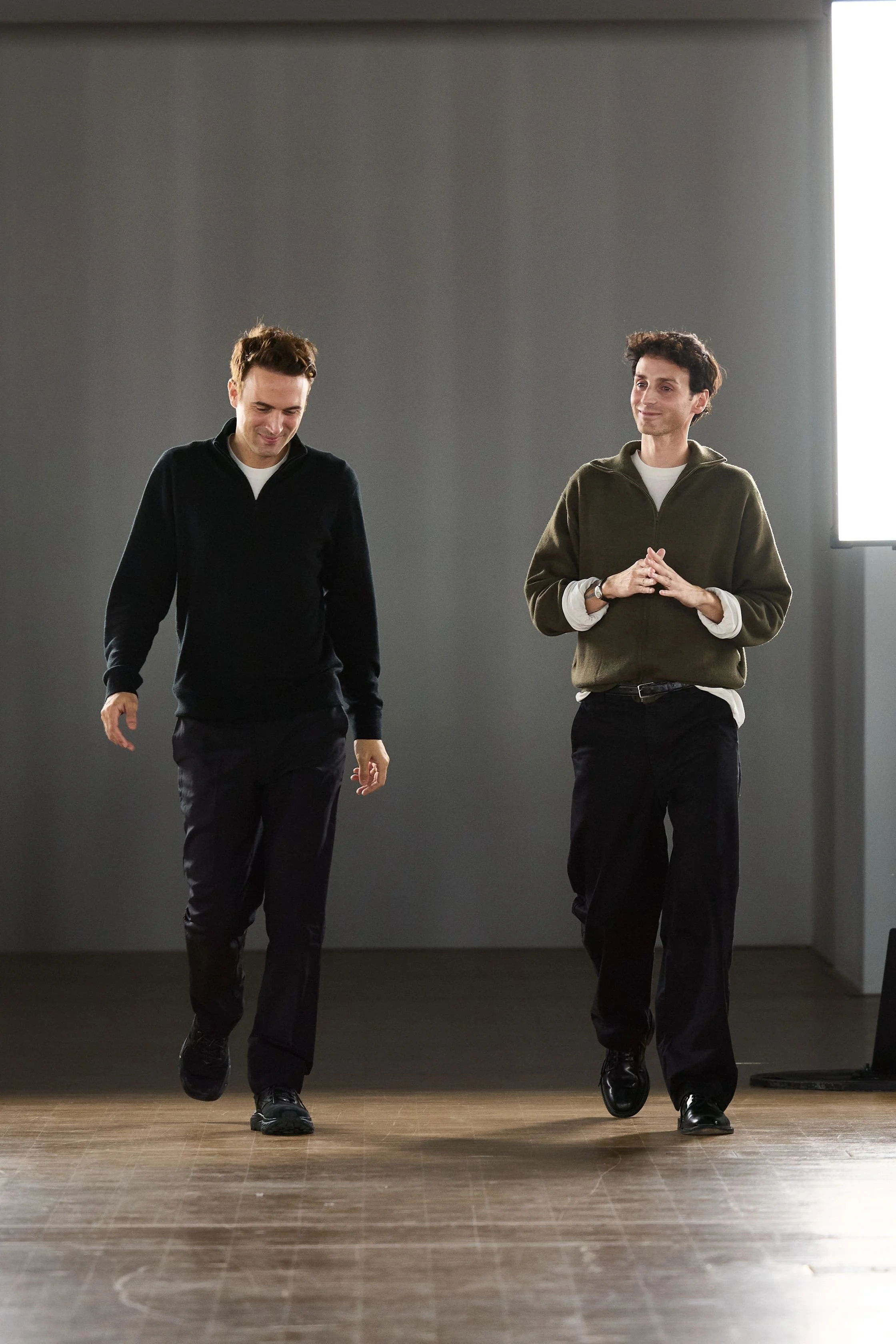
That is what makes this chapter’s ending so difficult to absorb. From the outside, we see the finished dress, the famous person carrying the bag, the show everyone is sharing. The less visible arrangements that allow a collection to be designed, produced and delivered can decide whether any of it continues. Still, we hope Coperni is remembered for the curiosity it brought to getting dressed. Meyer and Vaillant made fashion feel open to an unexpected idea, and they let us enjoy watching that idea become real. Their farewell ended with “See you soon.” For now, we would like to take them at their word.
Which Coperni creation or runway moment will you remember most?