
The Life and Legacy of Valentino Garavani
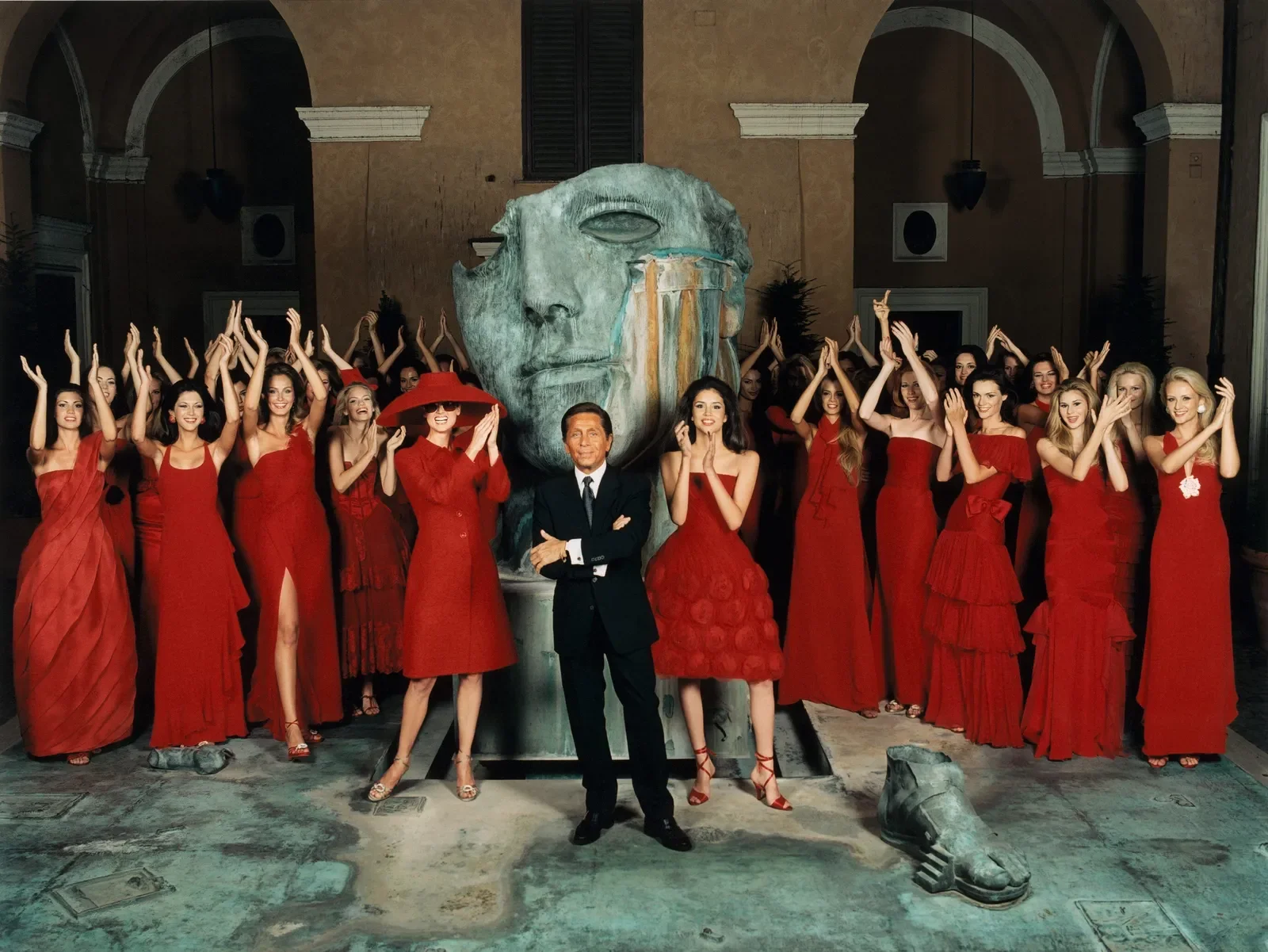
Images via Getty
Valentino Garavani has passed, closing a chapter defined by elegance, restraint, and a lifelong devotion to beauty. What follows is a reflection on the life and work of a designer whose sense of grace never wavered.
Valentino Garavani spent his life pursuing a single idea with unwavering devotion. Beauty, when treated seriously, could endure. At a time when fashion increasingly rewarded speed and provocation, Valentino believed in patience, ceremony, and control. His work was never meant to shout. It was meant to last.
Born in 1932 in Voghera, a quiet town in northern Italy, Valentino understood early that elegance was a discipline, not an instinct. He trained in Paris, where couture was still governed by rules and reverence, then returned to Italy carrying those traditions with him. Rome became his creative home, a city whose sense of history and grandeur mirrored his own instincts. Columns, frescoes, and formal gardens were not references for him but foundations.
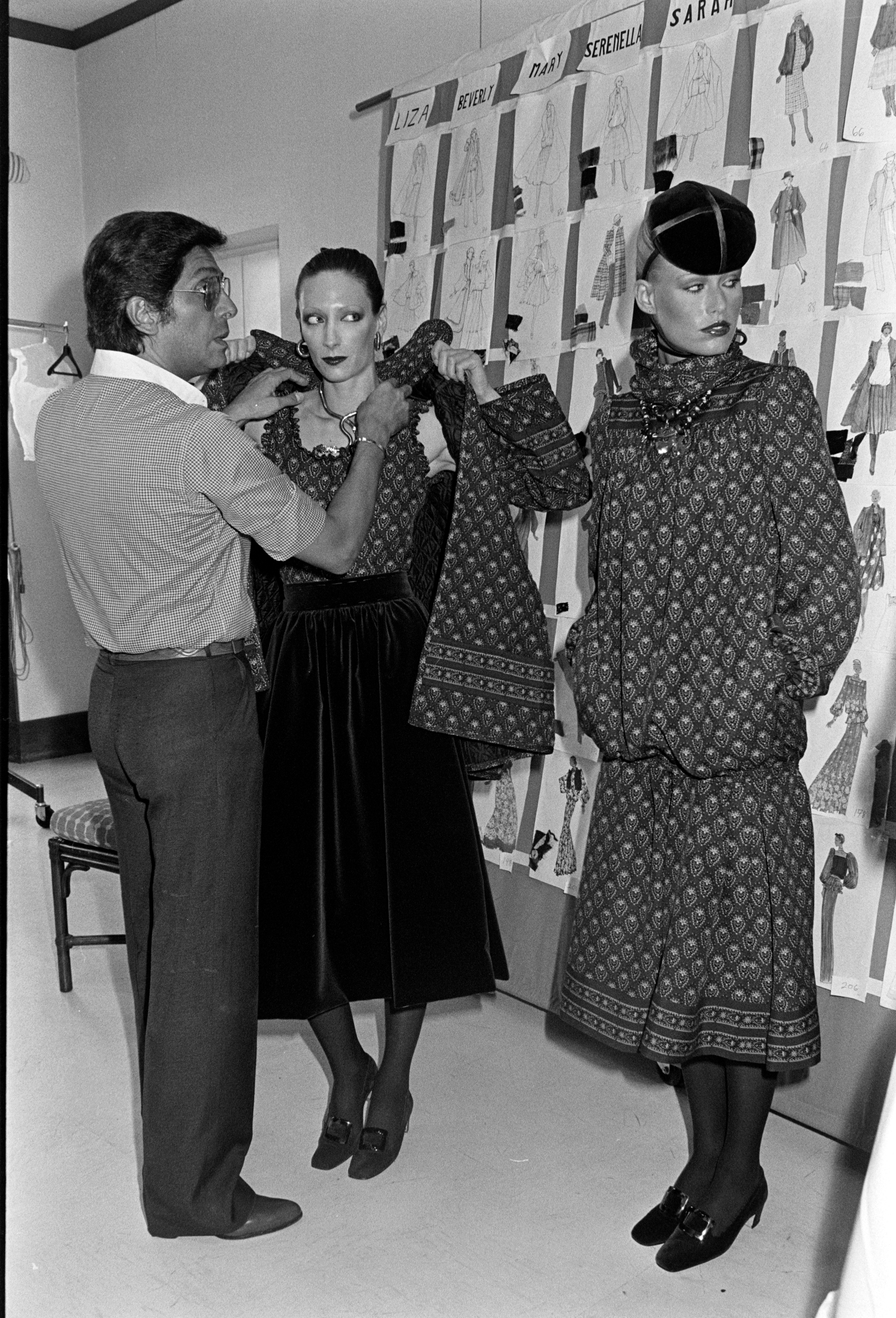
When he opened his couture house in 1960, the fashion landscape was already beginning to shift. Youth culture was rising, silhouettes were loosening, and fashion was becoming more experimental. Valentino chose another path. His collections were structured, romantic, and precise. He designed clothes that required posture and rewarded presence. They were garments that asked a woman to arrive fully formed.
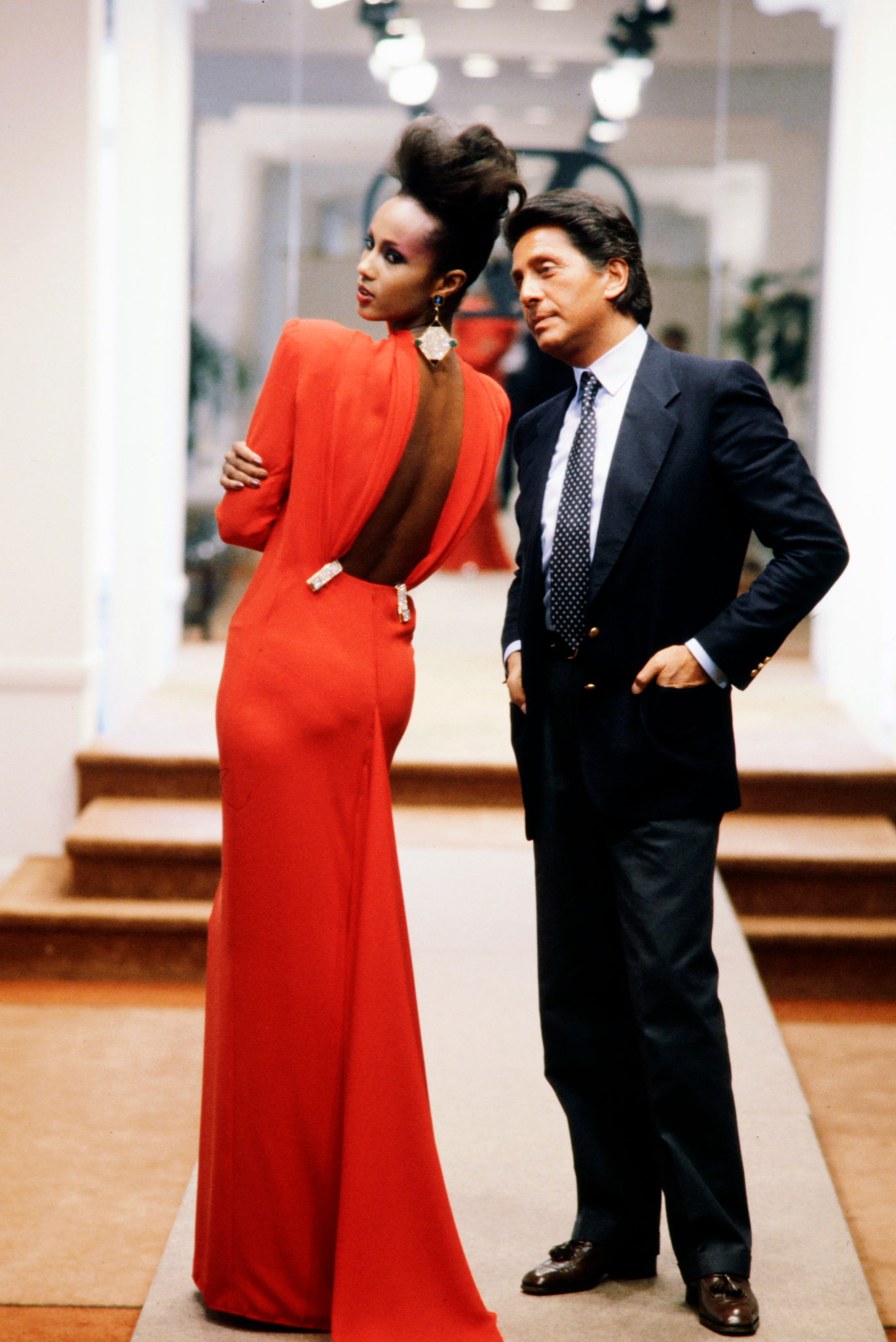
It was during these early years that Valentino introduced the color that would become inseparable from his name. Valentino red was not a marketing decision but an emotional one. It was a red with depth and restraint, neither playful nor aggressive. Over time it became his visual signature, a symbol of confidence and authority worn by women who understood their own power.
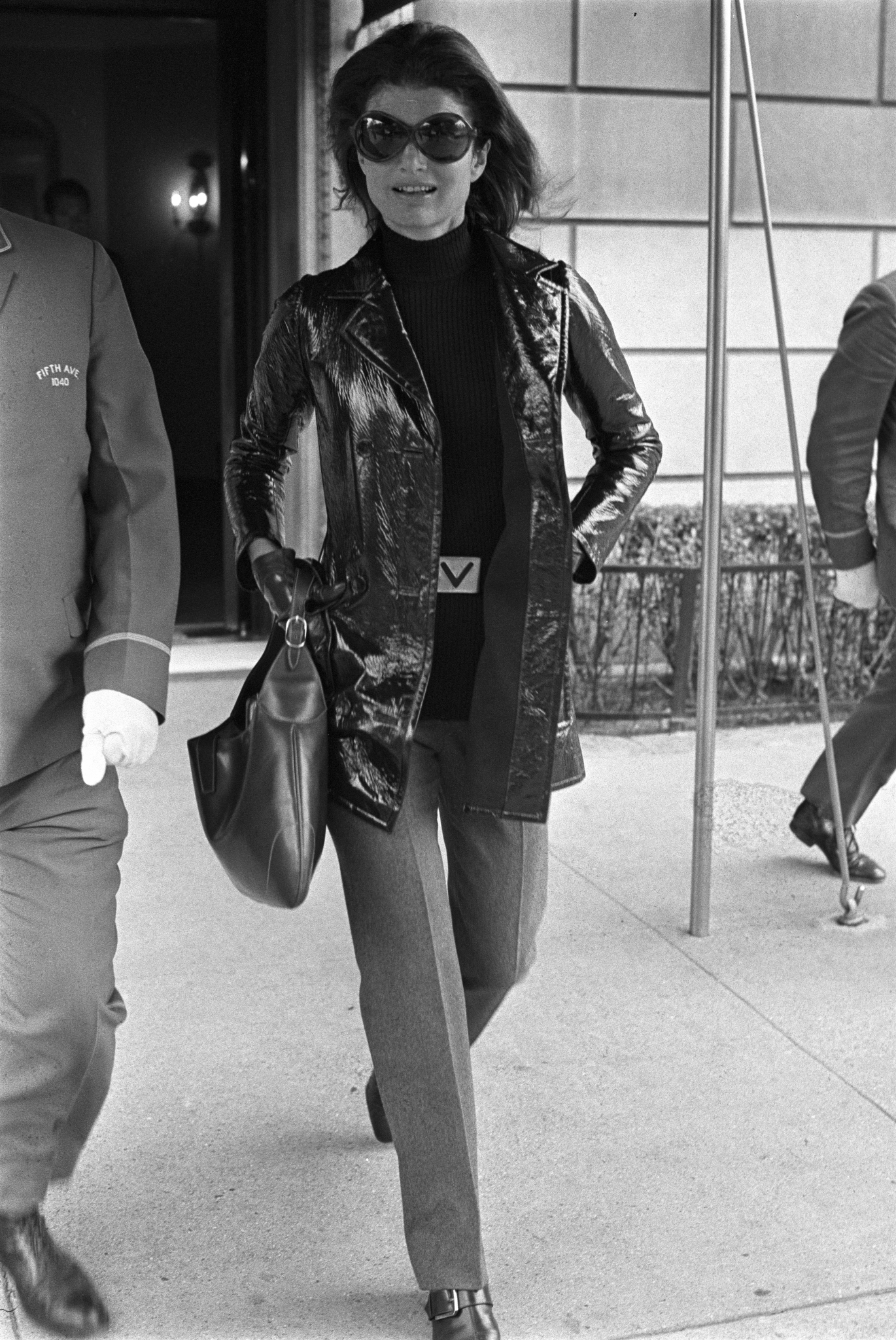
His rise coincided with the growing influence of global celebrity, yet Valentino never chased visibility. Jacqueline Kennedy sought him out during one of the most scrutinized periods of her life, trusting him to dress her with dignity rather than drama. Actresses and cultural figures followed, drawn not by excess but by certainty. His gowns did not compete for attention. They framed the woman wearing them and allowed her to remain the focus.
Behind the romance of the runway was a rigorous structure. Valentino’s lifelong partnership with Giancarlo Giammetti was central to his success. Together they built a fashion house that expanded carefully and deliberately, moving into ready to wear, accessories, and fragrance while protecting the values of couture. Growth was never allowed to compromise quality. Every decision reflected restraint.

Valentino remained deeply involved in his work until his retirement in 2008. His final couture show in Paris felt less like a finale and more like a closing statement. The collection reaffirmed everything he believed in. Precision, softness, and beauty without irony. There was no attempt to reinvent himself. He left fashion as he entered it, with control.
Outside his work, Valentino lived surrounded by art, architecture, and animals. His homes reflected his eye for harmony and proportion. Those who knew him describe a man who was exacting and disciplined, but also loyal and deeply committed to those around him. He demanded excellence because he believed it was a form of respect.
Valentino Garavani leaves behind more than an archive of iconic dresses. He leaves a philosophy that elegance is not outdated, that craftsmanship still matters, and that fashion can be timeless without becoming frozen. He did not design for the moment. He designed for memory.