
The Real ‘Love Story’ Behind John F Kennedy Jr. and Carolyn Bessette

Images via Getty Images and FX
Watching ‘Love Story’ and wondering what is real? Here is the true story behind John F Kennedy Jr and Carolyn Bessette’s relationship.
If you are watching the new television series Love Story: John F. Kennedy Jr. and Carolyn Bessette, you might find yourself wondering how much of it really happened that way. The show leans into longing looks, charged first meetings, and the tension between privacy and fame. What makes it compelling is that much of that emotional texture is rooted in truth.
John F. Kennedy Jr. met Carolyn Bessette in the early 1990s in New York. She was working in public relations for a major American fashion house, known for handling high profile clients with calm authority. He was already one of the most recognizable men in America, trying to build credibility as a lawyer and as the founder of the political magazine George. Their first interactions were professional and understated, but people around them sensed an immediate spark.
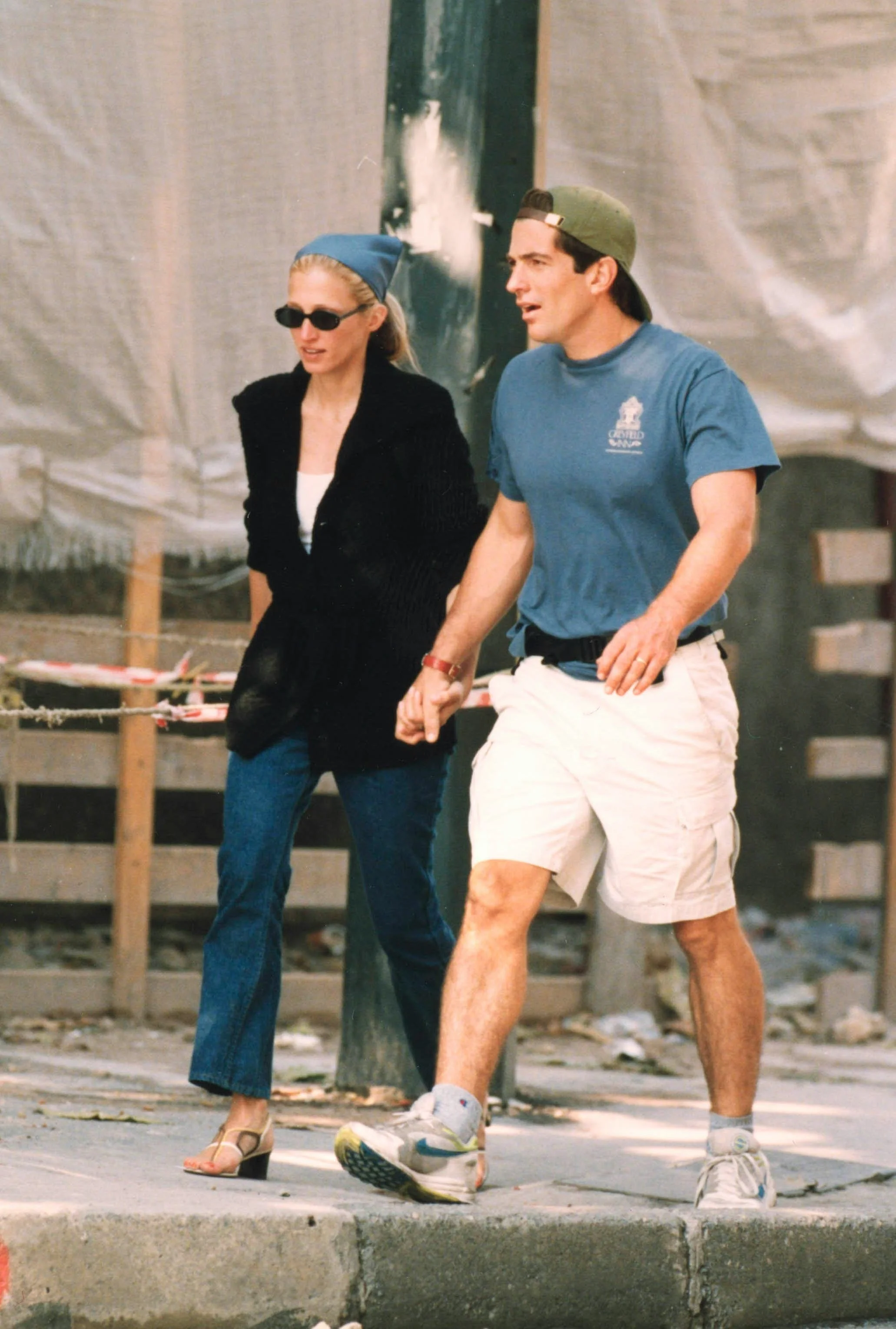
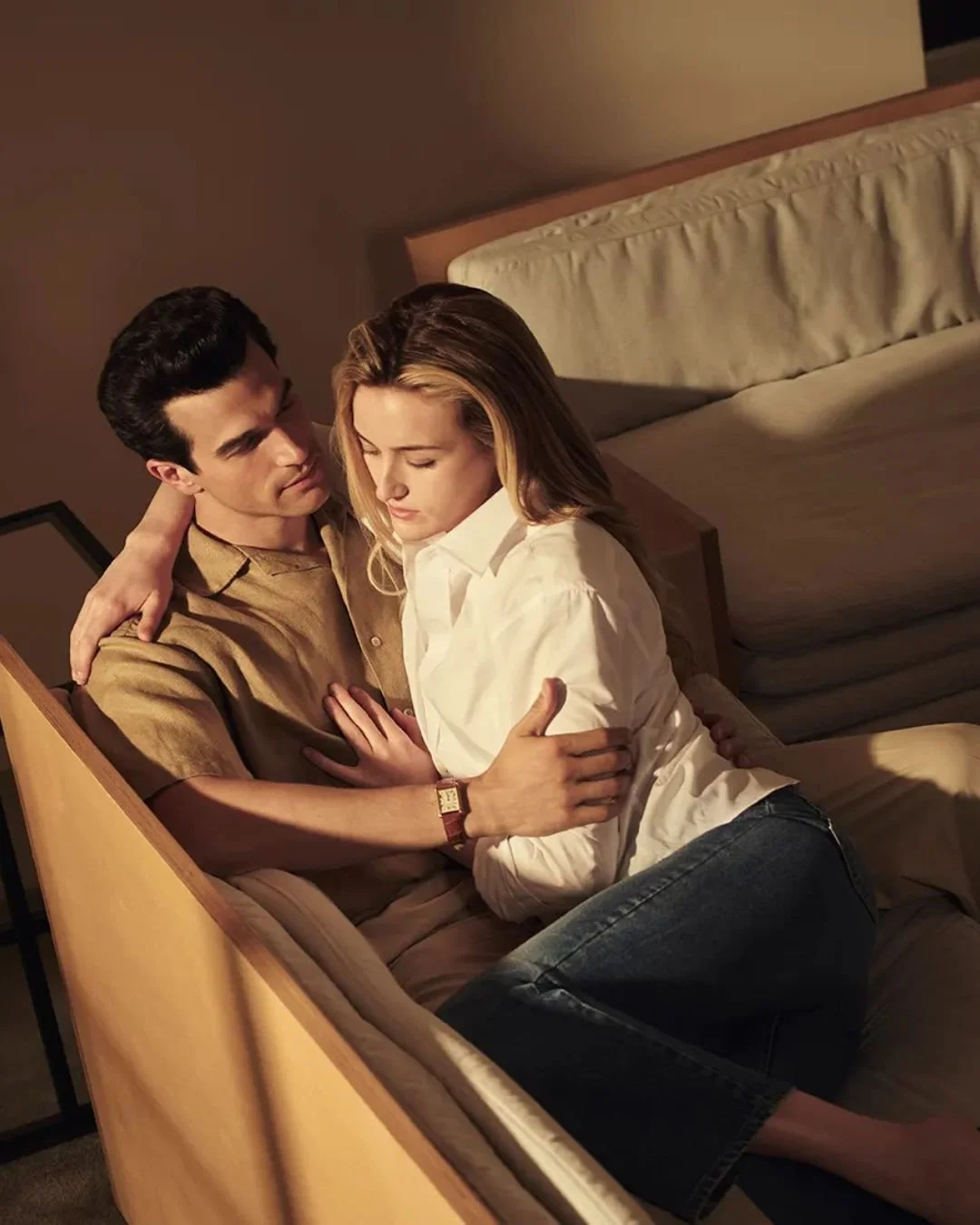
The series captures something essential about their early dynamic. Carolyn was not dazzled by his last name. She had her own life, her own circle, and a strong sense of self. That independence drew him in. In real life, their courtship was not a straight line. They were both dating other people at first. There were pauses and reconciliations. Carolyn was cautious about stepping into a relationship that would automatically place her in the spotlight. John, who had grown up with cameras pointed at him since childhood, was far more accustomed to that pressure.
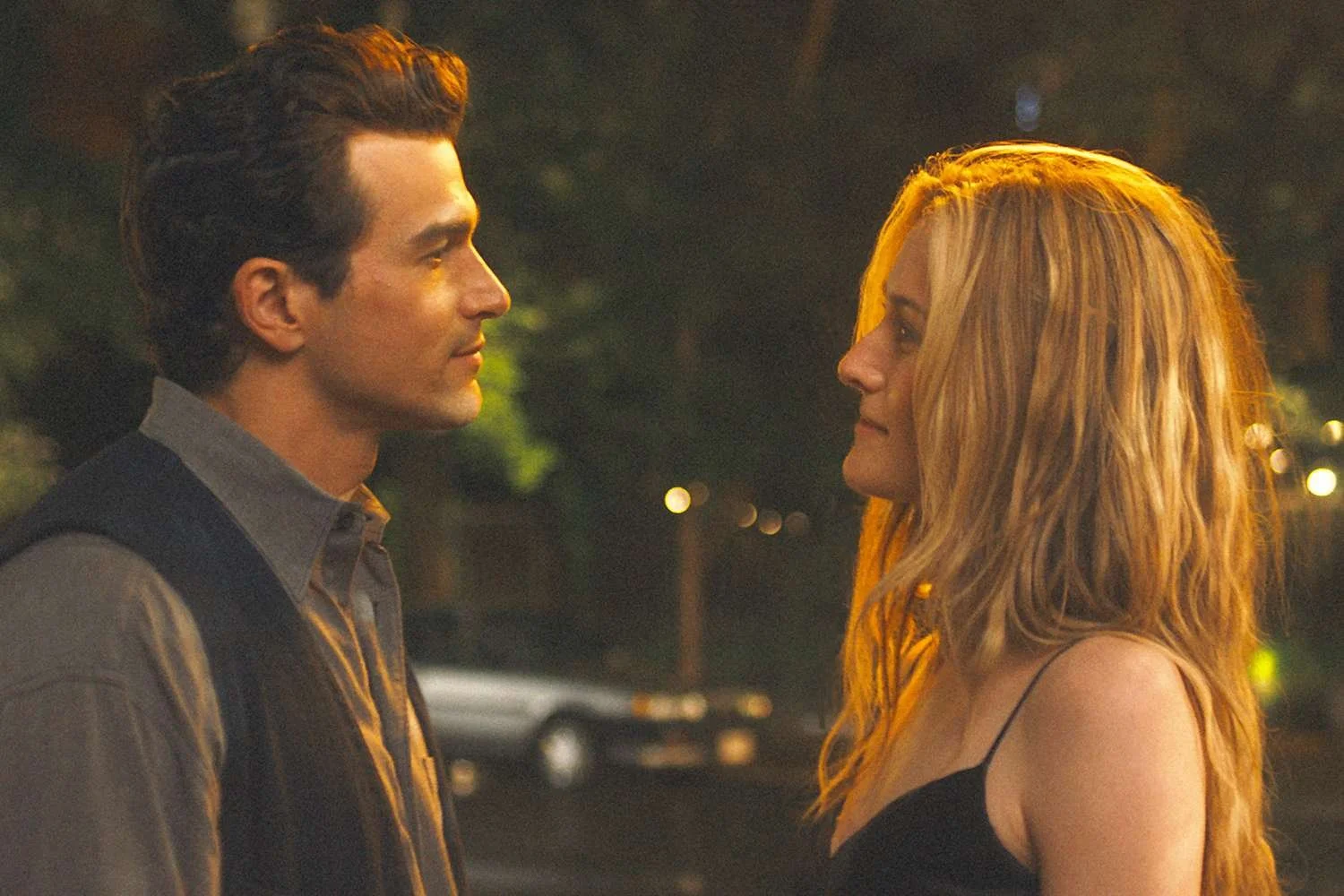
One thing the show gets right is the imbalance in how they experienced fame. For John, public attention was familiar, even if exhausting. For Carolyn, it felt invasive. Photographers waited outside their apartment. Everyday errands turned into front page stories. She rarely gave interviews and never tried to play to the cameras. That quiet resistance became part of her mystique. The minimalist style that the series lovingly recreates was not a costume. It was simply how she dressed. Clean lines, neutral tones, and effortless tailoring became synonymous with her, and that look still influences fashion today.
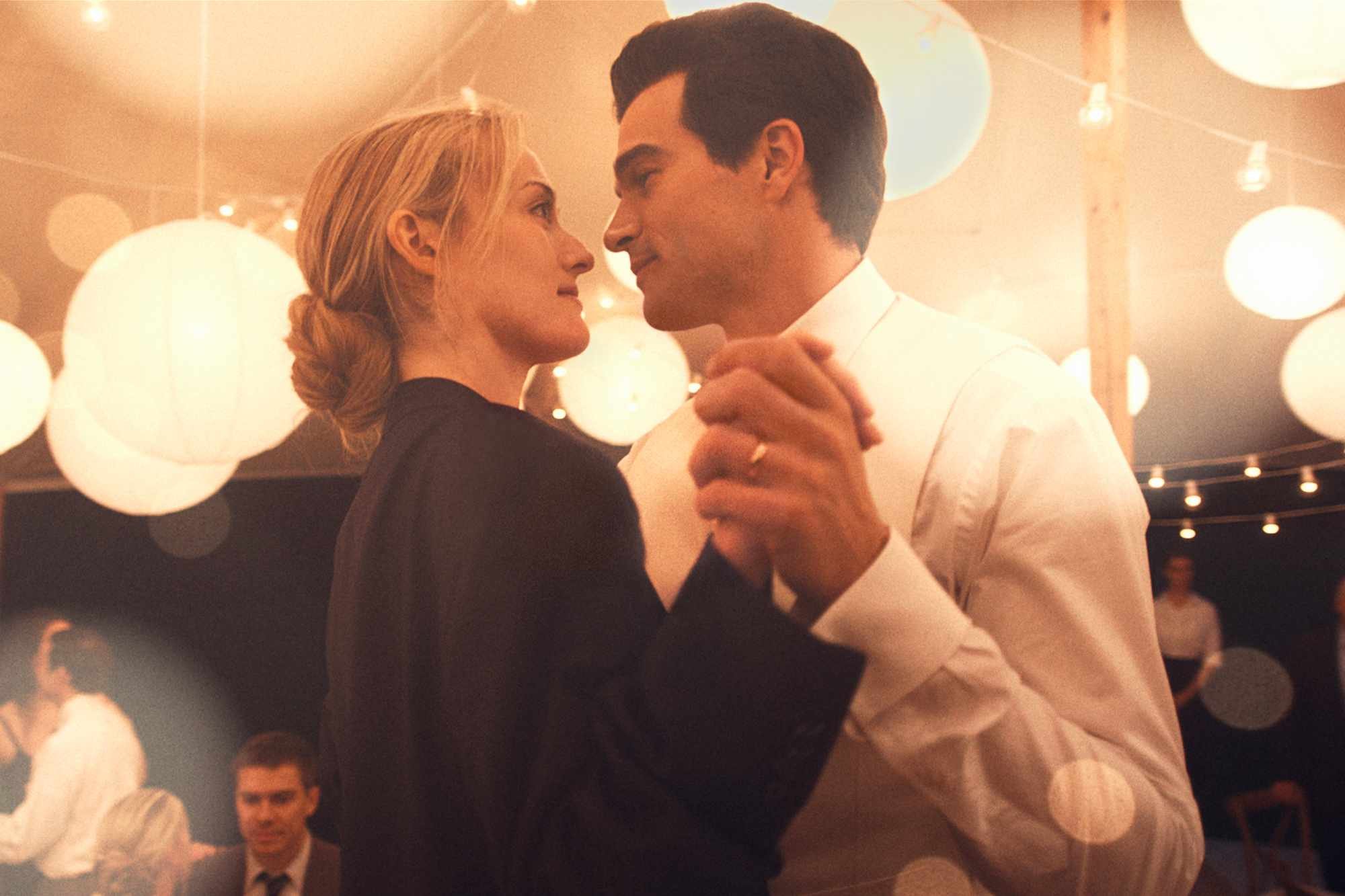
When the show depicts their secretive engagement and intimate wedding, it is reflecting a very real desire they shared. In 1996, they married in a small ceremony on a secluded island, surrounded only by close friends and family. It was not a spectacle. It was a deliberate act of privacy. They understood that once the images were released, the mythology would grow. What they tried to protect was the space between them.
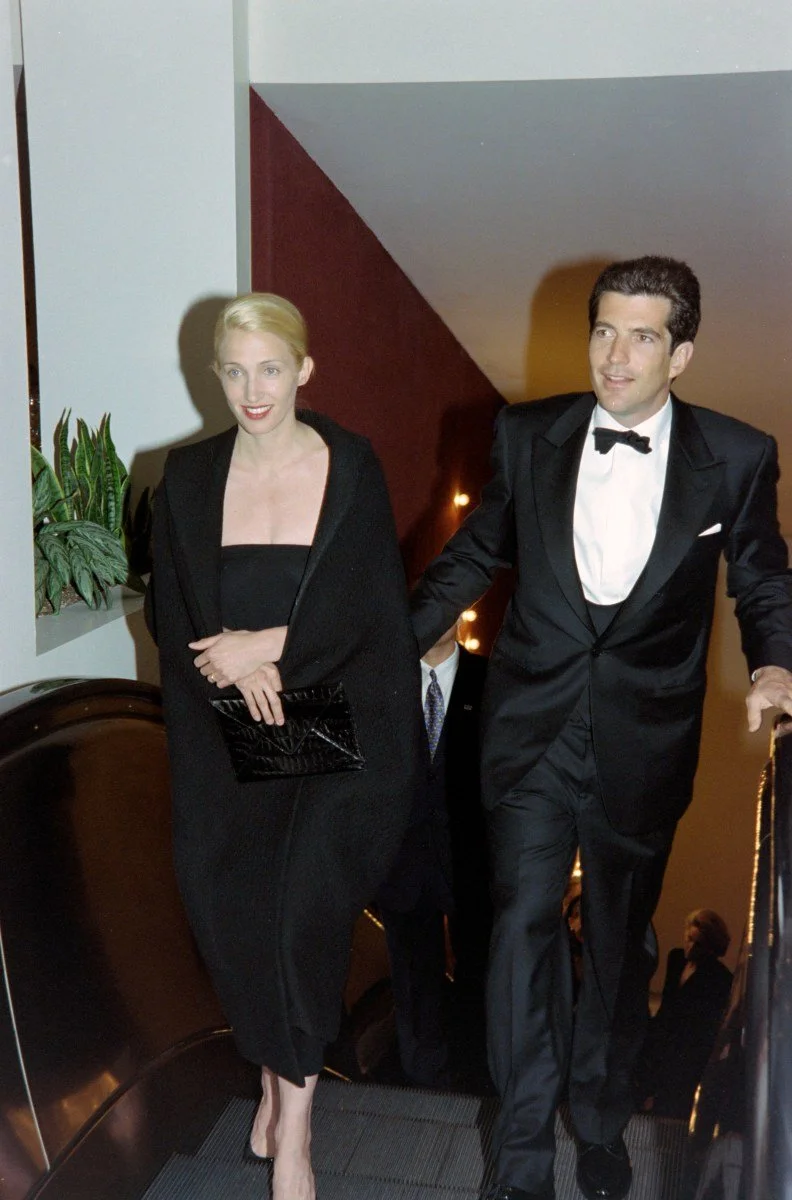
The series also hints at the ordinary challenges beneath the glamour, and this is where it feels most honest. Their marriage was affectionate and deeply connected, but it was not immune to strain. John was managing the pressures of running a magazine in a competitive media landscape. Carolyn was navigating what it meant to be attached to the Kennedy name while still holding onto her own identity. Friends later shared that they worked on their communication and sought guidance when they needed it. That detail matters because it reframes the story. They were not drifting apart in some dramatic collapse. They were doing what many couples do, trying to grow together under difficult circumstances.
Watching the show, it is easy to be swept up in the iconography. The tailored coats, the black and white photographs, the sense that they embodied a particular moment in New York history. But what resonates most is something simpler. Two people met. They were drawn to each other not because of power or pedigree, but because of personality and presence. One was born into legacy. The other stepped into it by choice. Both were figuring out how to balance love with expectation.
So if you find yourself asking whether the series is romanticizing them, the answer is yes and no. It heightens moments for drama, as television always does. Yet at its core, it understands the real story. This was not just a glossy tabloid saga. It was a relationship shaped by independence, negotiation, devotion, and the ongoing effort to protect something real in a world that never stopped watching.