
What Comes Next for Pieter Mulier After Alaïa
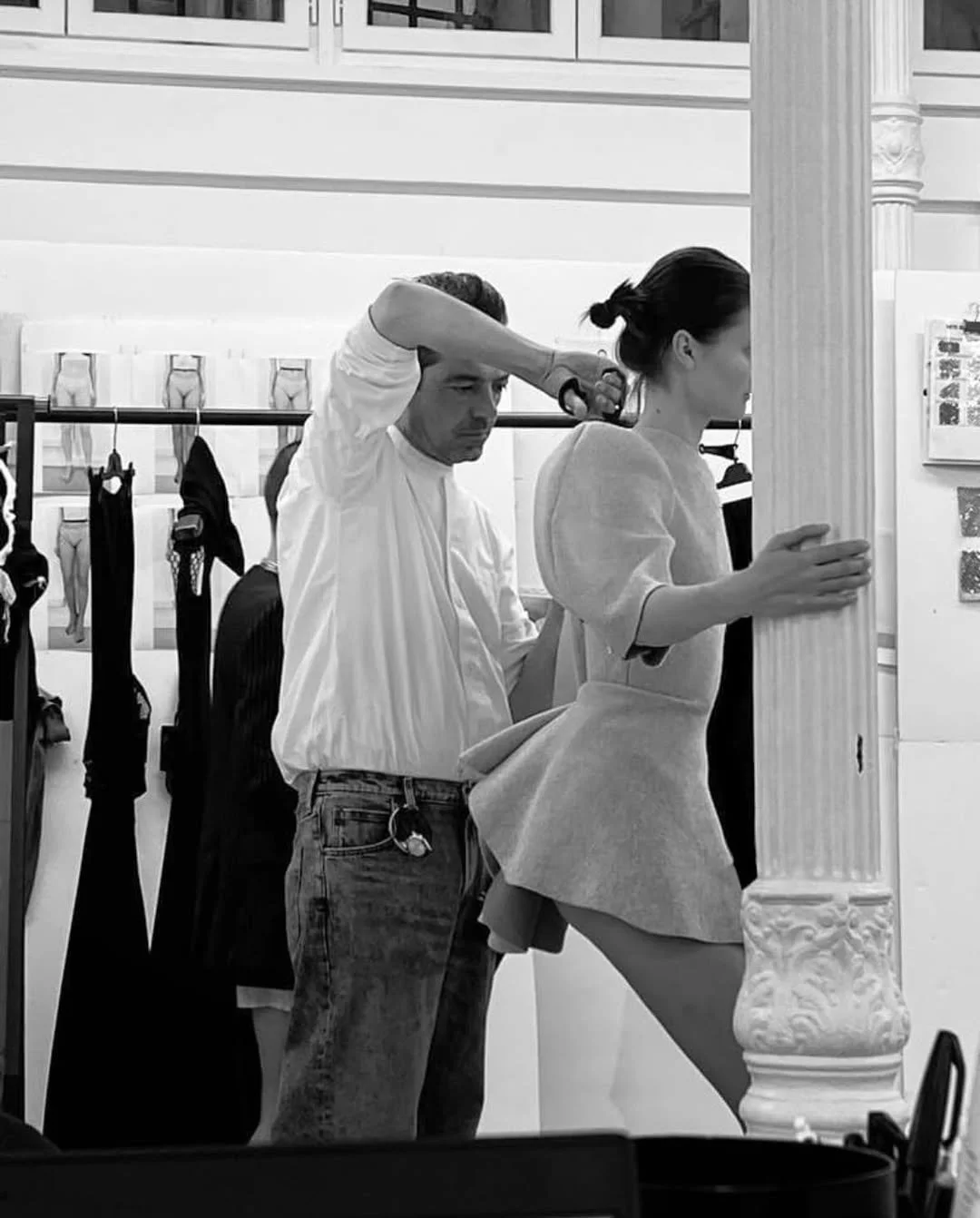
Images via @pieter_mulier and Maison Alaïa
Pieter Mulier’s departure from Alaïa marks the end of a quietly disciplined era. His next move may signal a wider creative realignment in luxury fashion.
Pieter Mulier’s departure from Alaïa marks the end of one of the most quietly significant creative tenures in recent Paris fashion history. Appointed in 2021 as the first creative director to lead the house after the passing of its founder, Azzedine Alaïa, Mulier inherited a role defined as much by reverence as by restraint. His task was never to reinvent Alaïa, but to sustain it, to protect its codes while allowing it to exist within a contemporary fashion ecosystem increasingly driven by speed, spectacle, and short term commercial pressure.
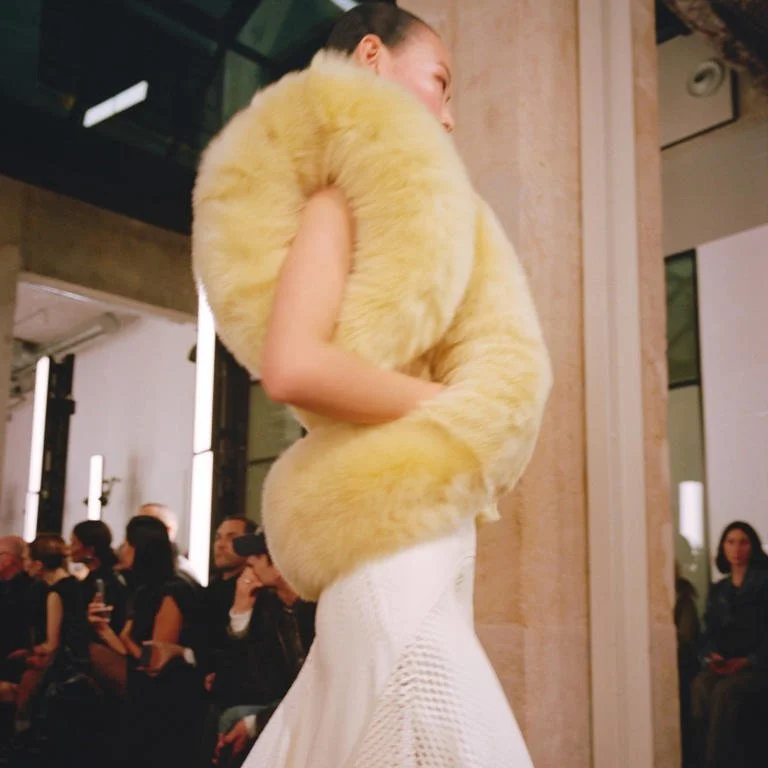
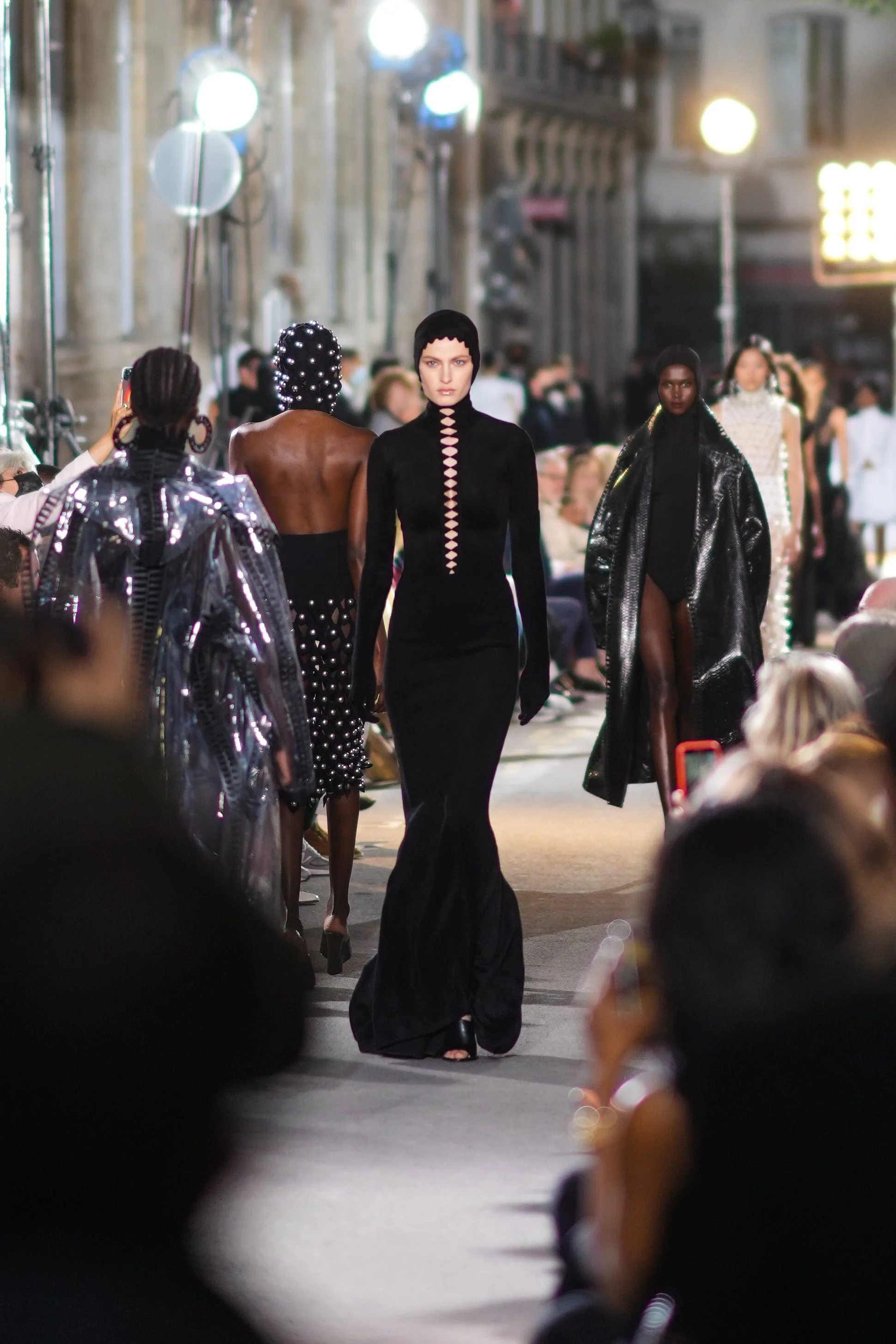
Over five years, Mulier achieved precisely that balance. His Alaïa was sculptural yet modern, sensuous without nostalgia, and deeply anchored in the brand’s obsession with the female form. Rather than chasing trends, he refined silhouette and construction, elevating the house’s artisanal language through a modernist lens. Accessories such as the now iconic Le Teckel bag and minimalist ballet flats became commercial successes not because they shouted, but because they felt inevitable. Under his direction, Alaïa expanded its global retail presence and regained cultural visibility, proving that discretion, when executed with conviction, can still command attention.
The announcement of his exit, set to take effect after the presentation of the Summer Fall 2026 collection, has naturally ignited speculation about his next move. While no official confirmation has been made, we reported rumours pointing toward Versace, a house currently navigating a period of creative uncertainty following recent leadership changes and its acquisition by Prada Group. The potential pairing is intriguing precisely because of the contrast it suggests. Mulier’s architectural restraint stands in opposition to Versace’s legacy of excess, glamour, and provocation.
Yet this contrast may be exactly the point. Under Prada Group’s stewardship, Versace appears poised for recalibration rather than continuation, and Mulier’s long standing creative relationship with Raf Simons places him within a network of designers known for intellectual rigor and structural clarity. His appointment would not signal a softening of Versace’s identity so much as a re articulation of it, one that could translate sensuality through precision rather than spectacle.
Beyond individual houses, Mulier’s transition reflects a broader moment within the luxury industry. Creative director turnover has accelerated, driven by conglomerate consolidation, shifting consumer expectations, and the increasing tension between heritage and growth. Designers are no longer simply aesthetic leaders. They are strategic actors tasked with aligning brand mythology, commercial performance, and cultural relevance. In this environment, Mulier’s Alaïa stands as a rare example of continuity executed with intelligence and patience.
Whether his next chapter unfolds in Milan or elsewhere, Pieter Mulier leaves Alaïa having accomplished what few designers manage. He strengthened a house without diluting its soul. His exit closes a chapter defined not by noise, but by control. In today’s fashion landscape, that may be his most radical contribution of all.